
Japanese ramen bowls transcend mere sustenance; they are a meticulously crafted art form. The aesthetic encompasses everything from the artful arrangement of toppings to the selection of bowls, reflecting a deep-seated cultural appreciation for visual harmony. This exploration delves into the intricate world of Japanese ramen bowls, examining the design principles and cultural influences that elevate this culinary experience to an aesthetic masterpiece.
From the subtle interplay of colors to the meticulous arrangement of ingredients, each element contributes to the overall visual symphony. Understanding these nuances unlocks the true essence of this artistic expression in food.
Defining the Aesthetic
The “Japanese ramen bowls aesthetic” transcends mere culinary presentation; it’s a visual language steeped in cultural symbolism and artistic precision. This aesthetic embodies a careful balance of aesthetics, ingredients, and presentation, communicating a sense of tradition and sophistication. More than just a bowl of noodles, it’s a carefully curated visual experience.The key to understanding this aesthetic lies in recognizing the interplay of form, color, and texture.
It’s not just about the food itself, but the deliberate choices in presentation that create an evocative narrative. From the meticulously arranged toppings to the artful arrangement of broth, every element contributes to the overall visual harmony.
Visual Elements
The Japanese ramen bowls aesthetic relies heavily on visual elements to communicate a story. The composition is frequently asymmetrical, yet balanced, creating an engaging visual narrative. Emphasis is placed on the meticulous arrangement of ingredients, drawing attention to the quality and artistry of the dish. A key visual element is the way light interacts with the components, highlighting textures and colors.
Color Palettes and Symbolism
Common color palettes in this aesthetic often incorporate earthy tones like browns, creams, and deep reds, evoking a sense of warmth, comfort, and tradition. These colors often mirror the natural ingredients used in the ramen. For example, a rich, deep brown broth might suggest a slow-cooked, savory flavor. However, vibrant pops of color from toppings, such as green onions or chili flakes, can add a touch of energy and excitement to the overall composition.
Furthermore, the specific shade of each color can influence the overall mood and impression of the dish.
Textures
The aesthetic frequently plays with a variety of textures. The smooth, glossy surface of the broth contrasts with the chewy texture of the noodles and the crispness of toppings. The contrasting textures create a multi-sensory experience, inviting the viewer to imagine the taste and mouthfeel of the dish. For instance, the texture of a perfectly cooked piece of chashu pork might be contrasted with the subtle, silken smoothness of the noodles.
This visual layering of textures is critical to conveying the depth and complexity of the ramen experience.
Cultural Influences
The Japanese ramen bowls aesthetic is deeply rooted in Japanese culinary traditions and aesthetics. The meticulous attention to detail and the emphasis on harmonious presentation are hallmarks of Japanese artistry and craftsmanship. Influences from traditional Japanese painting, particularly the use of negative space and composition, are evident in the visual design of these bowls. Furthermore, the incorporation of seasonal ingredients and traditional cooking techniques adds to the rich cultural context of the aesthetic.
This combination of tradition and contemporary artistry creates a compelling and distinct visual language.
Composition and Arrangement
Ramen bowl presentation is a delicate balance of visual appeal and culinary delight. The composition, from the broth’s sheen to the arrangement of toppings, directly influences the dining experience. A thoughtfully organized bowl can elevate a simple dish to an artistic expression, while a haphazard presentation can diminish the overall satisfaction. Mastering this visual narrative is crucial to achieving the desired aesthetic impact.Careful arrangement of elements in a ramen bowl directly affects the perceived quality and artistry of the dish.
The interplay between the broth, noodles, and toppings creates a dynamic visual narrative, much like a painter’s canvas. The choice of composition techniques can significantly enhance the aesthetic, transforming a simple bowl of ramen into a visually compelling work of art.
Visual Hierarchy in Ramen Bowl Presentation
A strong visual hierarchy guides the viewer’s eye across the bowl. The arrangement should lead the eye through the various elements, highlighting the most significant components. This can be achieved through varying heights, colors, and textures, ensuring a well-balanced presentation. For instance, a prominent mound of sliced pork, contrasting with the translucent broth, instantly grabs attention. The carefully positioned garnish, like a sprig of green onion, acts as a focal point.
Composition Strategies for Ramen Bowls
Different compositions evoke diverse moods and impressions. A symmetrical arrangement, with noodles centered and toppings radiating outwards, conveys a sense of balance and order. An asymmetrical arrangement, on the other hand, can create a more dynamic and visually interesting composition.
- Symmetrical Composition: This approach emphasizes balance and order, creating a sense of calm and serenity. The noodles are often centered in the bowl, with toppings arranged symmetrically around them. This approach works particularly well with clear broths and minimal toppings, allowing the ingredients to stand out individually.
- Asymmetrical Composition: This technique uses a less structured, more organic approach. Toppings are arranged in a less symmetrical fashion, creating a more dynamic visual effect. This is effective when featuring a variety of toppings, allowing each to contribute to the overall aesthetic without a rigid structure.
- Layered Composition: This approach emphasizes depth and dimension. The broth forms the base layer, followed by the noodles, and then the toppings are strategically placed on top. The layering effect can be enhanced with ingredients of varying textures and colors, creating a visually appealing three-dimensional effect.
Comparison of Arrangement Techniques
Different arrangements yield varying aesthetic results. A minimalist approach with clean lines and a focus on a few key ingredients can evoke a sense of elegance and sophistication. A more elaborate arrangement, featuring a wide array of toppings, can create a vibrant and exciting experience. The choice depends on the specific ramen style and the desired aesthetic.
| Broth Type | Noodle Style | Toppings | Composition Strategy |
|---|---|---|---|
| Clear broth | Thin, straight noodles | Sliced pork, green onions, seaweed | Symmetrical, highlighting the broth’s clarity |
| Creamy broth | Thick, curly noodles | Charred corn, chili oil, soft boiled egg | Layered, showcasing the creamy texture |
| Spicy broth | Thick, hand-pulled noodles | Spicy pork belly, pickled ginger, chili flakes | Asymmetrical, reflecting the bold flavor profile |
Materials and Utensils
The careful selection of materials and utensils plays a crucial role in the overall aesthetic experience of a Japanese ramen bowl. Beyond the broth and ingredients, the vessel and tools used to consume the dish contribute significantly to the presentation and enjoyment. The materials evoke a sense of tradition, craftsmanship, and mindful consumption.Ramen bowls, often presented in a minimalist fashion, are intended to highlight the ingredients and the preparation.
This minimalist aesthetic emphasizes the quality and purity of the ingredients and their presentation. The choice of materials, from the bowl itself to the chopsticks, contributes to this overall impression.
Bowl Types and Materials
The selection of bowls is essential to the ramen aesthetic. A well-chosen bowl not only holds the ramen but also enhances the presentation. White ceramic bowls, often with a subtle glaze, are a common choice, allowing the rich colors of the toppings to stand out. The smoothness of the ceramic complements the textures of the ingredients. Alternatively, bowls crafted from wood, especially those with a natural grain, can create a more rustic and earthy aesthetic, adding warmth to the dish.
This material choice can vary based on the specific ramen style being served. For example, a richer, bolder ramen might be presented in a dark-glazed ceramic bowl to contrast with the toppings, while a lighter broth could be better suited for a bowl with a natural wood grain.
Utensils for Consumption
The selection of chopsticks also significantly impacts the overall aesthetic. Traditional, lacquered wooden chopsticks, often with a smooth finish, are frequently chosen. The material evokes a sense of tradition and craftsmanship. This can be complemented by the use of small ceramic or porcelain plates to hold condiments or garnishes, further enhancing the visual appeal of the ramen bowl.
These plates often complement the bowl’s aesthetic in shape, color, and material. For instance, a white ceramic bowl might be paired with a similarly styled plate to maintain visual harmony, while a dark-glazed bowl could be accompanied by a plate with a slightly muted tone.
Examples of Material Combinations
A clear, glass bowl, for example, allows the broth’s transparency to be fully appreciated, highlighting its clarity and richness. This approach is especially effective when the broth itself is a key element of the ramen experience. Conversely, a stoneware bowl with a slightly textured surface can enhance the rustic feel of a ramen dish, especially one with hearty ingredients and a more robust broth.
The choice of material, therefore, becomes a subtle but crucial element in shaping the complete aesthetic. Different ramen styles may necessitate different combinations of materials. A clear glass bowl with chopsticks and ceramic plates will highlight the broth, while a stoneware bowl with wooden chopsticks and a wooden plate might complement the more robust ingredients of a particular ramen dish.
Lighting and Background
The presentation of a Japanese ramen bowl transcends mere sustenance; it’s an art form. Lighting plays a critical role in conveying the essence of the dish and setting the mood for the dining experience. Effective lighting can highlight the delicate textures, vibrant colors, and nuanced presentations, while poor lighting can diminish the overall aesthetic appeal. Careful consideration of light source, intensity, and direction is paramount.Proper lighting enhances the visual narrative, drawing attention to the key elements of the ramen bowl’s artistry.
From the glistening broth to the artful arrangement of toppings, lighting orchestrates a symphony of visual sensations, elevating the dining experience beyond the simple act of consumption.
Impact of Lighting on Perception
Lighting directly influences the perception of the Japanese ramen bowl’s aesthetic. Warm, inviting lighting evokes a sense of comfort and familiarity, while cool, contemporary lighting can project a sophisticated or modern ambiance. The choice of lighting should align with the overall theme and style of the presentation. For example, a rustic, dimly lit setting might complement a bowl featuring hearty, traditional toppings, while a bright, airy space could enhance a contemporary bowl with minimalist design.
Highlighting Specific Elements
The strategic use of lighting can accentuate particular elements of the bowl’s presentation. Focused spotlights can draw attention to the glistening surface of the broth, highlighting its rich color and texture. Ambient lighting, on the other hand, softly illuminates the entire scene, creating a harmonious balance and ensuring that all components of the bowl are visible. Natural light, if available, can provide a warm, inviting glow, enhancing the overall appeal and creating a more authentic experience.
Effect of Different Lighting Conditions
Varying lighting conditions alter the mood and atmosphere of the presentation. Soft, ambient lighting creates a serene and intimate setting, perfect for a leisurely meal. Strong, focused lighting can create a dramatic effect, emphasizing specific elements and making the bowl visually captivating. Natural light, filtered through a window or canopy, often lends a sense of freshness and authenticity, connecting the presentation to the surrounding environment.
These elements work in concert to create a cohesive and visually compelling dining experience.
Comparison of Lighting Types
| Lighting Type | Description | Impact on Aesthetic | Examples |
|---|---|---|---|
| Ambient | Soft, diffused light that illuminates the entire scene evenly. | Creates a calming and inviting atmosphere, showcasing the overall composition. | Soft overhead lighting, strategically placed lamps. |
| Focused | Directed light that highlights specific elements of the bowl. | Emphasizes textures, colors, and details, creating visual interest. | Spotlights on the broth, toppings, or chopsticks. |
| Natural | Light from the sun or sky. | Provides a warm, inviting glow, often adding an authentic touch. | Windows with soft light filtering through, outdoor patio dining. |
Toppings and Garnishes
Ramen bowls, beyond the broth and noodles, are defined by their vibrant toppings. These elements are crucial in shaping the aesthetic, reflecting regional variations, and enhancing the overall dining experience. The artful arrangement of toppings elevates a simple meal into a culinary masterpiece, showcasing the artistry of the preparation.The meticulous selection and presentation of toppings contribute significantly to the visual appeal of a ramen bowl.
From the delicate scattering of green onions to the bold flourish of a soft-boiled egg, each topping plays a role in creating a harmonious composition. The careful placement and contrast of textures, colors, and flavors work together to form a visually stimulating and satisfying dish.
Typical Toppings and Garnishes
Ramen toppings are as diverse as the regional variations of the dish itself. The selection reflects the cultural influences and ingredients available in a particular region. These components aren’t just for show; they contribute significantly to the flavor profile and aesthetic of the bowl.
Popular Toppings and Descriptions
- Soft-boiled egg: A classic choice, the soft-boiled egg adds a creamy texture and a pop of color. The yolk’s runny center provides a contrasting element to the firmer noodles and broth, adding a layer of richness. Its gentle curves offer a soft visual contrast to sharper elements like chopped scallions.
- Chopped scallions (green onions): These are ubiquitous in ramen bowls, providing a vibrant green accent. Their delicate flavor complements the savory broth and adds a fresh touch. They are often finely chopped and scattered generously, enhancing the visual appeal.
- Chashu pork: This slow-cooked pork, often braised in soy sauce and spices, is a cornerstone of many ramen styles. Its tender texture and rich flavor make it a popular choice, adding substantial protein and a deep, savory element to the bowl. Its deep pink hue adds a rich contrast to the green scallions and other light-colored toppings.
- Bean sprouts: Crisp and refreshing, bean sprouts add a textural contrast to the noodles and other toppings. Their delicate crunch and subtle flavor provide a light counterpoint to richer elements in the bowl. They are often used in combination with other vegetables.
- Nori (seaweed sheets): Nori adds a savory, umami flavor and a unique textural element to the bowl. The sheets are often crumbled or shredded, providing a contrasting texture and subtle color. They can also be placed strategically around the bowl’s perimeter for a decorative effect.
- Menma (bamboo shoots): These pickled bamboo shoots add a unique, slightly sour flavor and a satisfying crunch. They are often used in combination with other toppings, enhancing the overall textural experience.
- Aromatic Spices and Herbs: The use of spices like sesame seeds, chili flakes, and fresh herbs like cilantro can greatly influence the flavor profile and visual appeal. A sprinkle of sesame seeds adds a delicate crunch and a nutty aroma, while chili flakes introduce a touch of heat and visual flair.
- Corn kernels: For a slightly sweeter and more colorful addition, corn kernels can offer a visually pleasing touch. They provide a touch of sweetness that complements the savory flavors of the broth and other toppings. Their gentle yellow hue can add a nice visual contrast to the bowl.
Visually Appealing Toppings Arrangements
Visual appeal in ramen bowls hinges on the harmonious interplay of colors, textures, and shapes. A balanced composition ensures that no single topping overpowers the others. A scattering of toppings can create a sense of lightness, while more substantial elements like chashu pork can be positioned to draw the eye. The use of contrasting textures, like the soft boiled egg against the crispness of bean sprouts, creates a visually appealing and satisfying experience.
Visual Inspiration
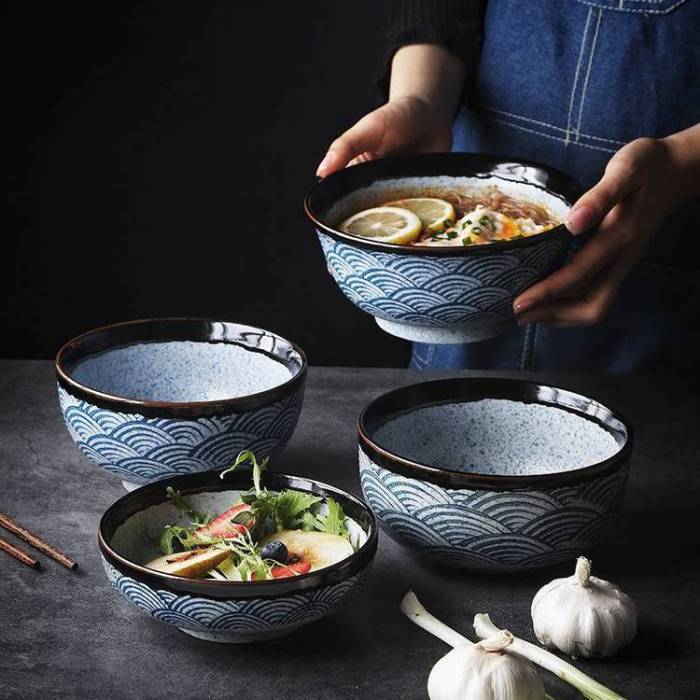
Japanese ramen bowls, beyond their culinary excellence, often embody a sophisticated aesthetic. This visual appeal draws heavily from Japanese design principles, showcasing a harmonious blend of simplicity, artistry, and a profound respect for tradition. The aesthetic is characterized by clean lines, thoughtful composition, and a keen attention to detail. This meticulous approach translates into a visually captivating experience that transcends the simple act of eating.The visual inspiration for Japanese ramen bowls stems from a rich tapestry of artistic influences, ranging from traditional Japanese painting to contemporary photography.
These influences are woven into the meticulous construction of each bowl, crafting an experience that is both aesthetically pleasing and culturally evocative. Examining these influences provides valuable insight into the design choices and their rationale.
Examples of Visual Inspiration
Japanese aesthetics, deeply rooted in centuries of artistic traditions, provide a wealth of visual inspiration for ramen bowl design. The emphasis on natural elements, minimalist design, and evocative color palettes are key aspects to consider. This exploration reveals how these principles shape the visual language of ramen bowls.
| Image | Inspiration | Analysis |
|---|---|---|
| A photograph of a ramen bowl featuring a delicate arrangement of colorful vegetables and vibrant, thinly sliced meat, set against a backdrop of a dimly lit, traditional Japanese restaurant. | Inspired by traditional Japanese aesthetic principles, such as the use of natural elements, harmony, and color palettes. | The photograph exemplifies the aesthetic of Japanese ramen bowls. The use of vibrant colors and natural elements, such as vegetables and herbs, draws the eye and creates a sense of harmony. The minimalist design, focusing on the food and its presentation, showcases the appreciation for quality ingredients and the art of preparation. |
| A close-up shot of a ramen bowl with a single, perfectly formed piece of soft-boiled egg nestled in a swirl of flavorful broth. The background is blurred, emphasizing the bowl’s visual focus. | Inspired by the principles of minimalism and meticulous detail, common in Japanese art forms like calligraphy and painting. | The focus on a single, perfectly presented element (the egg) is characteristic of Japanese design principles. The use of soft lighting and a blurred background directs the viewer’s attention to the exquisite craftsmanship in preparing the ramen. The composition highlights the balance between simplicity and sophistication. |
| A painting depicting a serene Japanese garden, featuring meticulously placed stones and plants, with a subtle but prominent presence of water. | Inspired by the tranquility and harmony found in traditional Japanese gardens. | The tranquility and balance found in Japanese gardens are reflected in the arrangement of ingredients in the ramen bowl. The emphasis on natural elements, the harmony of colors, and the careful placement of each component mirror the principles of Japanese garden design. The composition, therefore, draws inspiration from this aesthetic. |
Noodle Styles and Broth
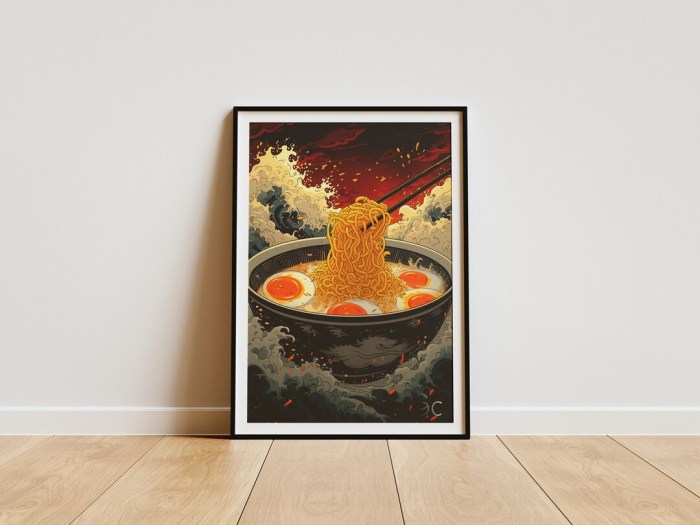
Ramen’s visual allure is intricately tied to the careful selection and presentation of its noodles and broth. The interplay between these two elements significantly impacts the overall aesthetic, transforming a simple bowl of soup into a captivating culinary experience. Different noodle types and broth variations offer distinct textural and visual characteristics, contributing to the diverse and appealing aesthetics of ramen.The choice of noodle type profoundly affects the ramen bowl’s aesthetic.
The texture, thickness, and color of the noodles directly influence the overall visual balance. Thin, delicate noodles evoke a sense of lightness and grace, while thick, robust noodles project a hearty and substantial presence. The color of the noodles, whether a bright yellow from wheat or a translucent white from egg-based varieties, also plays a role in the overall visual harmony.
Impact of Noodle Types on Aesthetic
Different noodle types contribute unique qualities to the ramen aesthetic. Thin, delicate noodles, like those used in shoyu ramen, often create a visually airy effect, contrasting with the richness of the broth and toppings. Conversely, thick, chewy noodles, such as those in tonkotsu ramen, create a sense of substance and weight, visually complementing the richness of the broth.
The noodles’ color and texture contribute to the visual hierarchy, allowing the viewer to appreciate the nuances of the dish.
Importance of Broth in Ramen Aesthetic
The broth, the foundation of any ramen bowl, is crucial to its visual appeal. Its color, clarity, and texture directly impact the overall aesthetic. A well-crafted broth is more than just a liquid; it’s a key element in shaping the visual narrative of the dish.
Different Broth Types and Their Aesthetic Characteristics
The type of broth significantly influences the visual appeal of the ramen. Tonkotsu broth, famous for its rich, creamy texture and white or light-brown hue, often appears as a thick, luscious pool, creating a visual statement in contrast to the noodles. Shoyu broth, characterized by its light brown or amber color, displays a translucent quality, enhancing the visual prominence of the toppings.
Misoshiru broth, with its deep reddish-brown color and rich, fermented flavor, creates a bolder visual impact, often appearing as a more viscous and concentrated liquid.
Presentation of Broth and Aesthetic Impact
The presentation of the broth contributes significantly to the overall aesthetic. A clear broth allows the texture and color of the noodles and toppings to stand out. A thick broth, like tonkotsu, can be presented as a swirling pool of creamy richness, highlighting its decadent quality. The level of broth in the bowl, whether it’s a generous portion or a more restrained amount, directly affects the overall visual balance.
For example, a lower level of broth in a bowl can allow for a more focused display of the toppings and noodles, while a higher level of broth can enhance the sense of abundance.
Color Theory and Symbolism
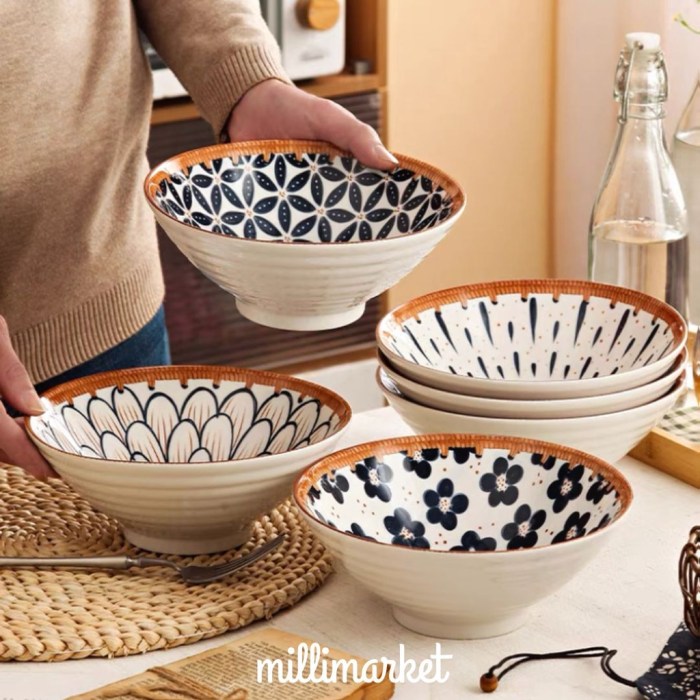
The visual presentation of a ramen bowl transcends mere aesthetics; color choices meticulously weave a narrative, influencing perceptions and associations. Ramen, deeply rooted in Japanese culture, utilizes colors to communicate a range of emotions and cultural significance, impacting the overall dining experience. Careful consideration of color theory is essential in crafting a ramen bowl that resonates with the intended audience.The use of color theory in the ramen aesthetic goes beyond mere visual appeal.
Specific hues evoke emotional responses and tap into cultural memories. By understanding the symbolic meanings behind different colors, ramen chefs and designers can create a dish that is not only visually stunning but also deeply evocative. This understanding allows for a nuanced approach to presentation, adding another layer of meaning and appreciation to the dining experience.
Color Palette and Emotional Impact
The color palette of a ramen bowl often reflects the broth’s nature and the dish’s intended mood. A rich, deep amber broth, for example, might be presented with warm, earthy tones like terracotta and burnt orange to evoke feelings of comfort and warmth. Conversely, a clear, light broth might pair well with bright, refreshing colors like mint green and light blue, suggesting a lighter, more refreshing experience.
These color pairings directly influence the customer’s perception and emotional response.
Cultural Associations of Colors
Japanese culture has rich associations with specific colors. Red, for example, often signifies good fortune and happiness, while white embodies purity and tranquility. Using these colors thoughtfully in the ramen aesthetic can enhance the overall experience. Similarly, black can symbolize sophistication and elegance, particularly when used in a nuanced way to highlight certain components of the dish.
Careful consideration of these cultural connotations is crucial in creating a ramen bowl that resonates with the target audience.
Color-Emotion-Association Table
| Color | Emotion | Cultural Association (Japan) | Ramen Aesthetic Example |
|---|---|---|---|
| Red | Joy, Excitement, Passion | Good fortune, happiness, auspiciousness | Red chili flakes as a topping, creating a bold, flavorful accent. |
| White | Purity, Cleanliness, Tranquility | Purity, innocence, simplicity | A pristine white bowl highlighting the natural color of a clear broth. |
| Black | Sophistication, Elegance, Mystery | Elegance, formality, sophistication | Black sesame seeds as a garnish, contrasting with the broth and adding a refined touch. |
| Green (Mint/Jade) | Freshness, Vitality, Renewal | Growth, nature, renewal | Fresh mint leaves or green onions as a garnish to enhance the dish’s freshness. |
| Brown/Terracotta | Warmth, Comfort, Earthy | Earth, groundedness, warmth | A terracotta-colored bowl, complementing a rich, dark broth and highlighting the rich flavors. |
Modern Interpretations
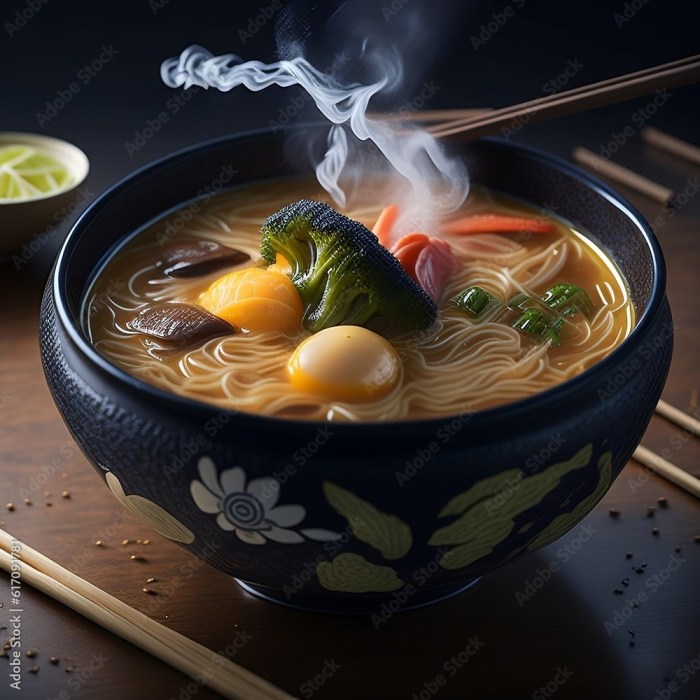
The enduring allure of Japanese ramen bowls extends beyond traditional presentations, finding creative expression in contemporary settings. Modern designers are reimagining the aesthetic, infusing it with contemporary design elements to create unique and visually striking bowls. This evolution reflects a broader trend of adapting cultural traditions to contemporary sensibilities.
Contemporary Design Elements
Modern interpretations of the Japanese ramen bowl aesthetic incorporate a diverse range of design elements. This includes innovative approaches to materials, textures, and shapes. Emphasis is placed on creating visually appealing presentations that complement the culinary experience. Sleek, minimalist lines are often paired with vibrant colors, or conversely, muted palettes are used to evoke a sense of understated elegance.
Examples of Modern Ramen Bowls
Numerous restaurants and designers are showcasing innovative interpretations of the Japanese ramen aesthetic. One example might feature a minimalist bowl with a highly polished surface, contrasting with a vibrant, hand-painted ceramic lid. Another might highlight a sculptural bowl with an abstract design, while maintaining the traditional bowl’s rounded form. The key is to retain the core principles of the traditional aesthetic while adding a contemporary twist.
Comparison of Traditional and Contemporary Ramen Bowls
| Characteristic | Traditional Japanese Ramen Bowl | Contemporary Japanese Ramen Bowl |
|---|---|---|
| Materials | Typically ceramic, often with a matte finish and traditional patterns. | Can incorporate a wider array of materials, including glass, porcelain, stoneware, and even metal. Finishes may range from matte to highly polished or with intricate designs. |
| Shape | Rounded and often shallow, designed for easy consumption and presenting toppings. | Can exhibit more sculpted or abstract shapes, retaining a sense of roundedness but with modern, avant-garde interpretations. |
| Color Palette | Earthy tones, such as browns, creams, and blacks, often associated with Japanese aesthetics. | Can incorporate a wider range of colors, from vibrant hues to neutral palettes. |
| Toppings & Garnishes | Often arranged in a balanced and symmetrical way, with an emphasis on showcasing fresh ingredients. | Toppings and garnishes can be arranged in more asymmetrical and contemporary ways, reflecting modern artistic approaches to presentation. |
The table above showcases the key differences in material choices, shapes, color palettes, and presentation techniques between traditional and contemporary ramen bowls.
Last Point
In conclusion, the Japanese ramen bowls aesthetic is a captivating fusion of culinary artistry and cultural tradition. This deep dive into the world of bowls, colors, and compositions reveals the profound attention to detail that elevates a simple meal into a sensory experience. The meticulous arrangement, the careful selection of materials, and the profound cultural context create a lasting impression, making each bowl a miniature work of art.
